Development History
2011: The Beginning
In 2011, Zheyong FAN wrote the first line of GPUMD code during his postdoctoral research at Xiamen University (supervised by Prof. Jincheng ZHENG).
2015: Theoretical Breakthrough
In 2015, Zheyong FAN derived the formalism for many-body potentials and obtained the correct expression for the heat current of many-body potentials.
Phys. Rev. B 2015, 92, 0943012017: Open Source Release
In 2017, Zheyong FAN publicly released GPUMD-v1.0 on GitHub, containing approximately 10,000 lines of source code.
Comput. Phys. Commun. 2017, 218, 102019: Popularity in Heat Transport
In 2019, Zheyong FAN and Haikuan DONG (Prof. Yanjing SU's group at USTB) developed the Homogeneous Non-Equilibrium Molecular Dynamics (HNEMD) method for many-body potentials and related spectral decomposition techniques, making GPUMD a popular toolkit in the field of heat transport applications.
Phys. Rev. B 2019, 99, 0643082021: NEP Potential Method
In 2021, Zheyong FAN, together with Prof. Ping QIAN and Prof. Yanjing SU's group (Haikuan DONG, Yanzhou WANG, Keke SONG) at USTB, Prof. Yue CHEN's group (Zezhu ZENG, Cunzhi ZHANG) at HKU, and Prof. Tapio Ala-Nissila at Aalto University, developed the NEP (Neuroevolution Potential) method.
Phys. Rev. B 2021, 104, 1043092023: NEP-ZBL Method
In 2023, Zheyong FAN, in collaboration with Prof. Yanjing SU's group (Jiahui LIU) at USTB, developed the NEP-ZBL method suitable for radiation damage simulations.
Phys. Rev. B 2023, 108, 0543122024: UNEP-v1 Universal Potential
In 2024, Zheyong FAN, together with Prof. Ping QIAN and Prof. Yanjing SU's group (Keke SONG, Jiahui LIU), developed UNEP-v1, a universal potential suitable for 16 metals and alloys.
Nat. Commun. 2024, 15, 102082024: National Major Project Support
In 2024, GPUMD received support from the National Science and Technology Major Project for Key New Materials Research and Application (hosted by Prof. Pengfei GUAN at Ningbo Institute of Materials Technology and Engineering, CAS).
2024: GPUMD & NEP Joined the DeepModeling Community
In 2024, GPUMD and NEP joined the DeepModeling community. As innovative and highly efficient tools for molecular dynamics simulations and machine learning potentials, GPUMD and NEP further support the Materials Genome Engineering and AI4S communities.
2025: GPUMD-v4.0 Released
In 2025, GPUMD-v4.0 was released, containing approximately 85,000 lines of source code. Ke XU (Bohai University), Hekai BU (Wuhan University), Shuning PAN (Nanjing University), Yongchao WU (Aalto University), and Eric Lindgren (Chalmers University) made significant contributions.
MGE Advances 2025, 3, e700282025: GPUMD Developer Conference and Symposium on Frontiers in AI Molecular Dynamics
In 2025, the 1st GPUMD Developer Conference and Symposium on Frontiers in AI Molecular Dynamics was held in Ningbo.
Lead Developer & Maintainer
主导开发与维护者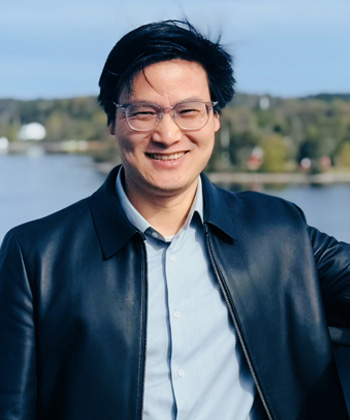
Zheyong FAN
Professor, Bohai University | Researcher, Suzhou National Laboratory
Contributions: Ph.D. in theoretical physics from Nanjing University, Professor at Bohai University and Researcher at Suzhou National Laboratory. Created and maintained GPUMD. Proposed a general framework for many-body potentials and developed a series of methods for thermal transport simulations. Introduced the highly efficient NEP machine-learned potential method and has continuously advanced and expanded its capabilities.
Key Co-developer
主要合作开发者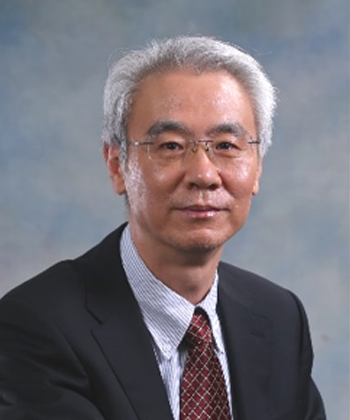
Yanjing SU
Professor, USTB | Principal Researcher, Suzhou National Laboratory
Personal Profile: Professor at the University of Science and Technology Beijing, Principal Researcher at Suzhou National Laboratory, and Deputy Director of the Artificial Intelligence Research Department. His research focuses on materials big data and machine learning, co-proposed the NEP machine learning potential method and provided academic guidance and support for the development and dissemination of GPUMD.
Major Contributors
主要贡献者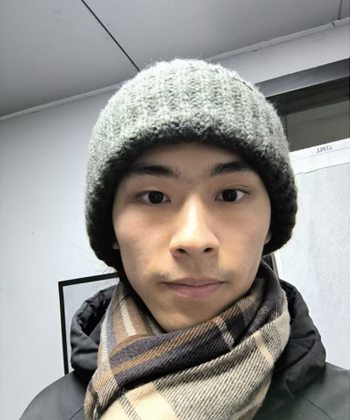
Hekai BU
Wuhan University
Key Contributions: (1) ILP potentials; (2) Friction simulation; (3) optimization of NEP calculations
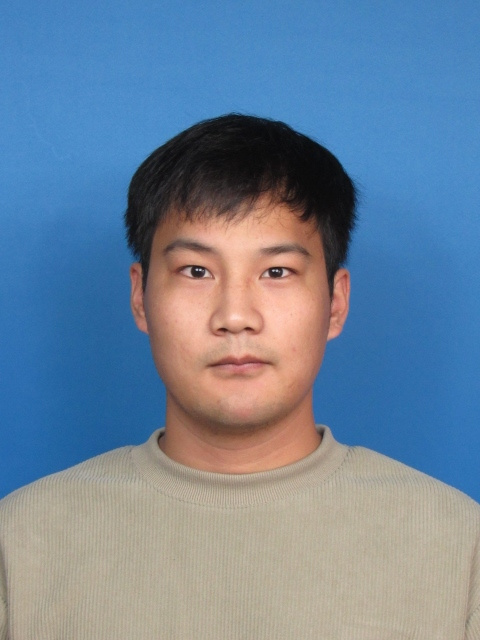
Chengbing CHEN
CAEP
Key Contributions: (1) NepTrain and NepTrainkit tools
Hongjian CHEN
Shanghai Jiao Tong University
Key Contributions: (1) ADP potential
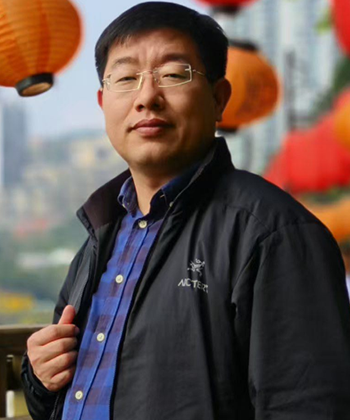
Haikuan DONG
Bohai University
Key Contributions: (1) DCU and AMD support; (2) Uer manual maintainance
Zaixu DUAN
Bohai University
Key Contributions: (1) Development of the GPUMD official website
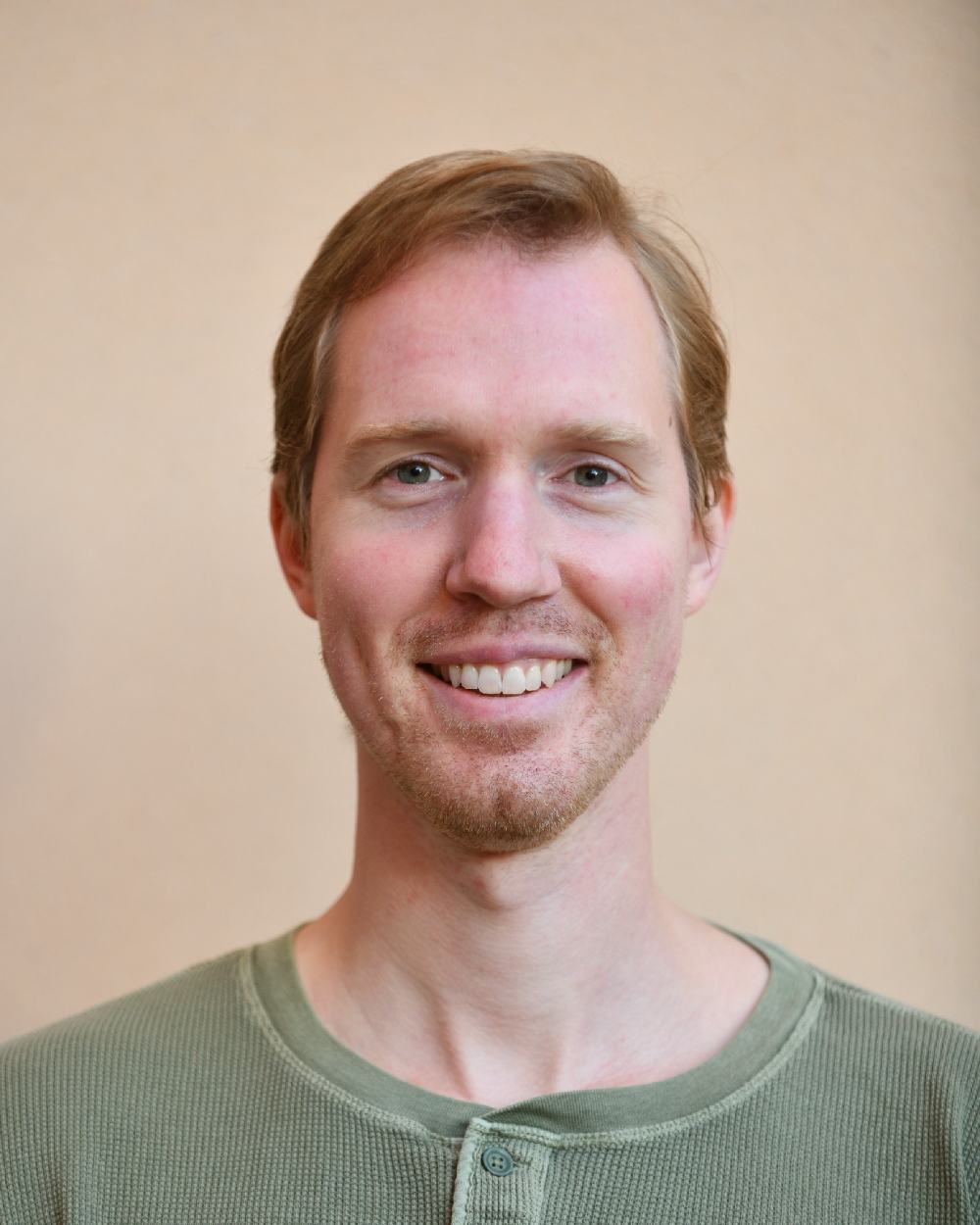
Alexander J Gabourie
DeepSim CTO
Key Contributions: (1) General Tersoff potential; (2) GKMA and HNEMA; (3) NetCDF interface
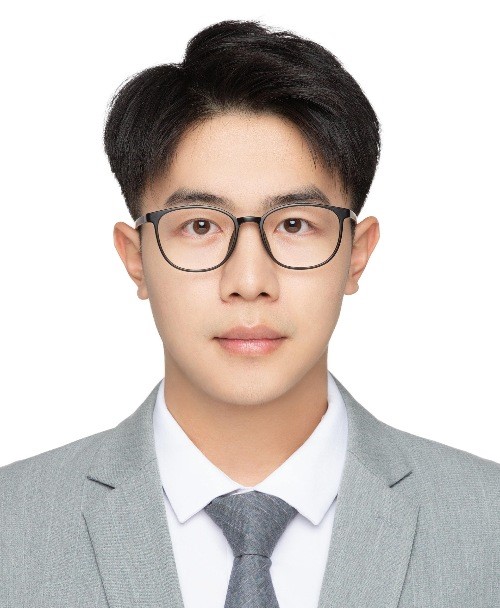
Hongfu HUANG
Beihang University
Key Contributions: (1) GNEP
Ting LIANG
CUHK
Key Contributions: (1) Maintaining NetCDF; (2) Improving SHC; (3) Evaluating NEP89
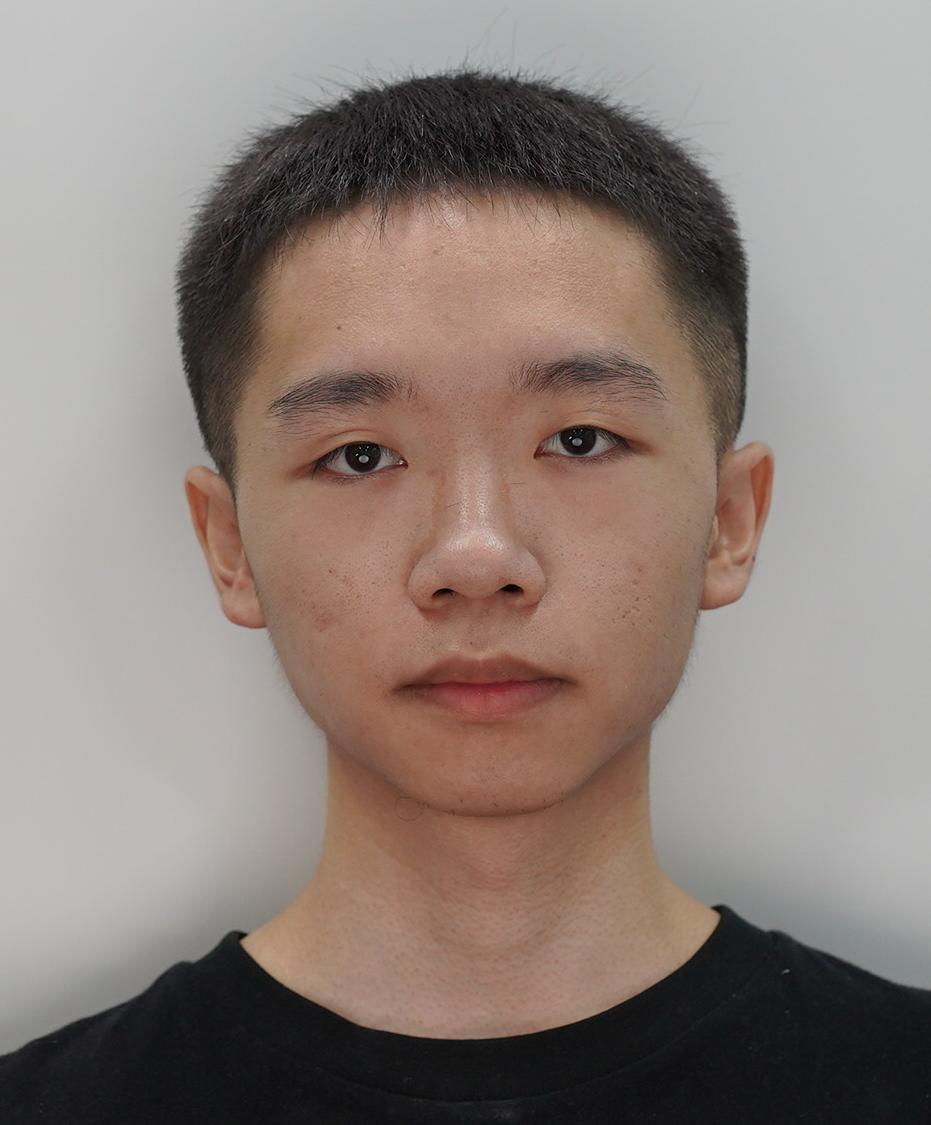
Zhixin LIANG
Nanjing University
Key Contributions: (1) HNEMDEC

Denan LI
Westlake University
Key Contributions: (1) Fix BEC Training Bug
Eric Lindgren
Chalmers University
Key Contributions: (1) Ensemble model-based active learning and dump_observer; (2) Extending MSD; (3) Calorine
Jiahui LIU
Zhongguancun AI Institute
Key Contributions: (1) Participating in NEP-ZBL development
Wenhao LUO
Sun Yat-Sen University
Key Contributions: (1) Compute_chunk keyword; (2) Improving fix and move keyword; (3) Quantum thermal bath; (4) TTM
Shuning PAN
Nanjing University
Key Contributions: (1) Shock compression; (2) Thermodynamic integration for solids; (3) NEP extrapolation; (4) FIRE minimizer; (5) MTTK barostat
Keke SONG
Fuzhou University
Key Contributions: (1) Participating in MC/MD development; (2) Evaluating UNEP-v1; (3) Development of the GPUMD official website
Benrui TANG
Bohai University
Key Contributions: (1) Generalizing phonon calculations; (2) Generalizing elastic constant calculations
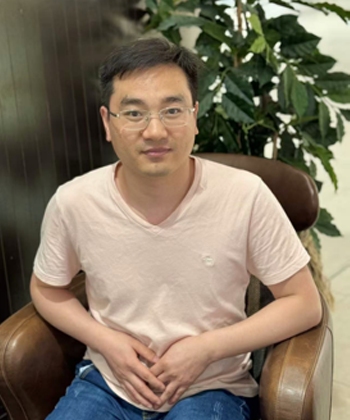
Changxin WANG
Suzhou National Laboratory
Key Contributions: (1) Development of the GPUMD official website
Junjie WANG
Nanjing University
Key Contributions: (1) PyNEP tools
Yanzhou WANG
Chengdu University of Technology
Key Contributions: (1) Tools for NEP training data processing
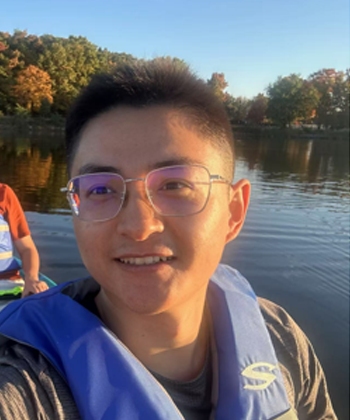
Yong WANG
Princeton University
Key Contributions: (1) RDF; (2) Multi-GPU acceleration for NEP model training
Xian WANG
Sichuan University / Suzhou National Laboratory
Key Contributions: (1) Development of the GPUMD official website
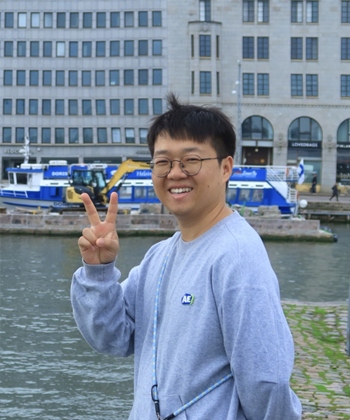
Yongchao WU
Aalto University
Key Contributions: (1) General EAM potential; (2) FIRE minimizer with variable box; (3) ADF; (4) orient order
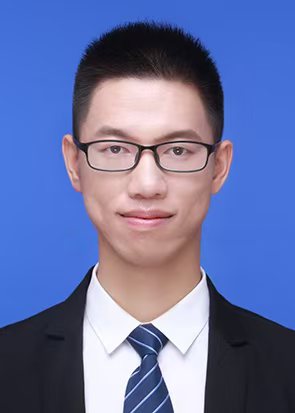
Bin XU
Ningbo Institute of Materials Technology and Engineering, Chinese Academy of Sciences
Key Contributions: (1) Angle-dependent RDF
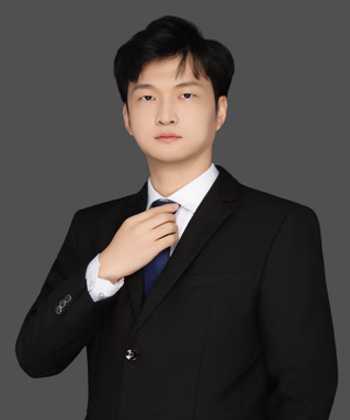
Ke XU
Bohai University
Key Contributions: (1) DP interface; (2) Improving SHC
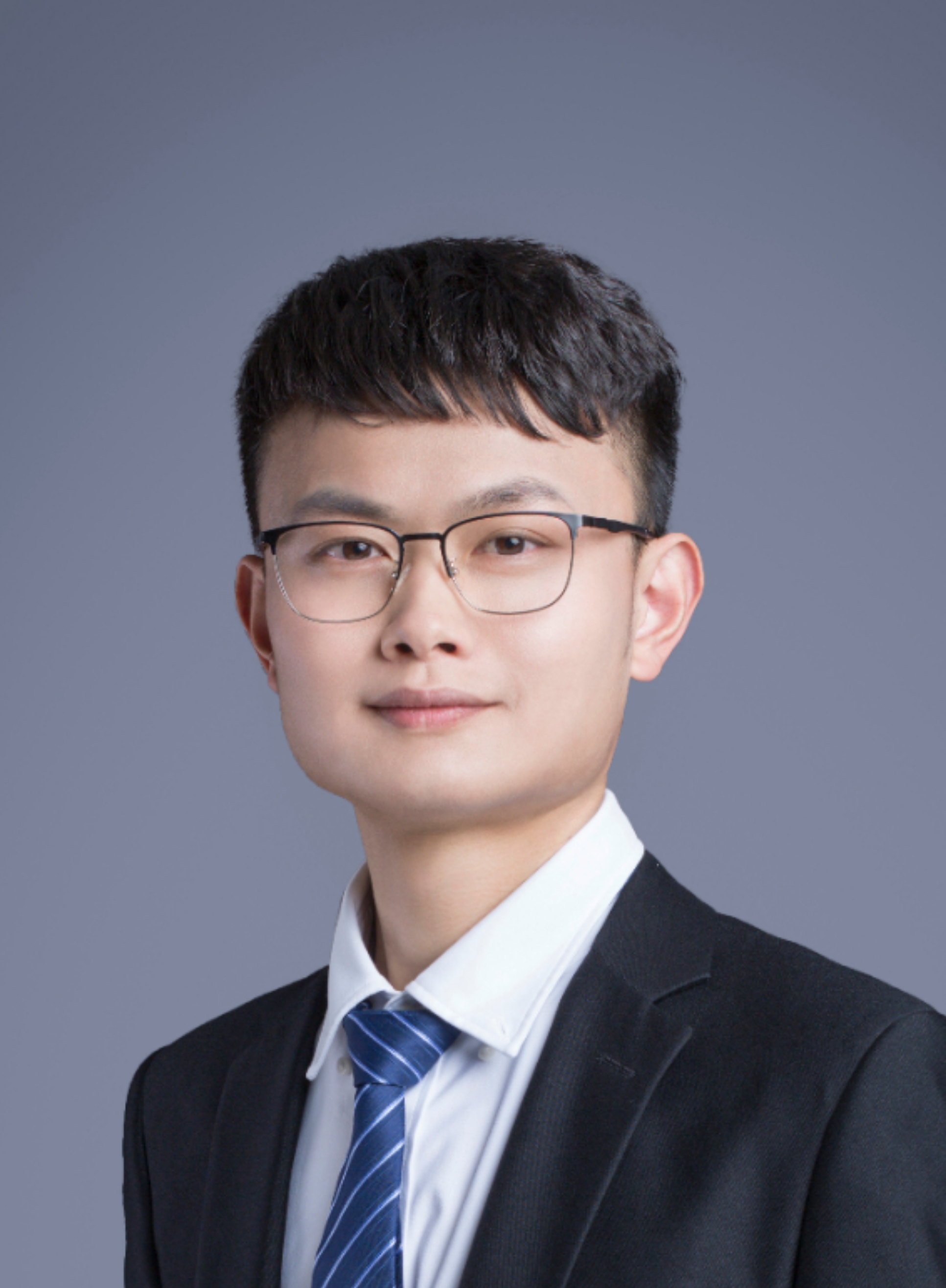
Nan XU
IZD, Zhejiang University
Key Contributions: (1) Participating in TNEP development; (2) NEP training tools
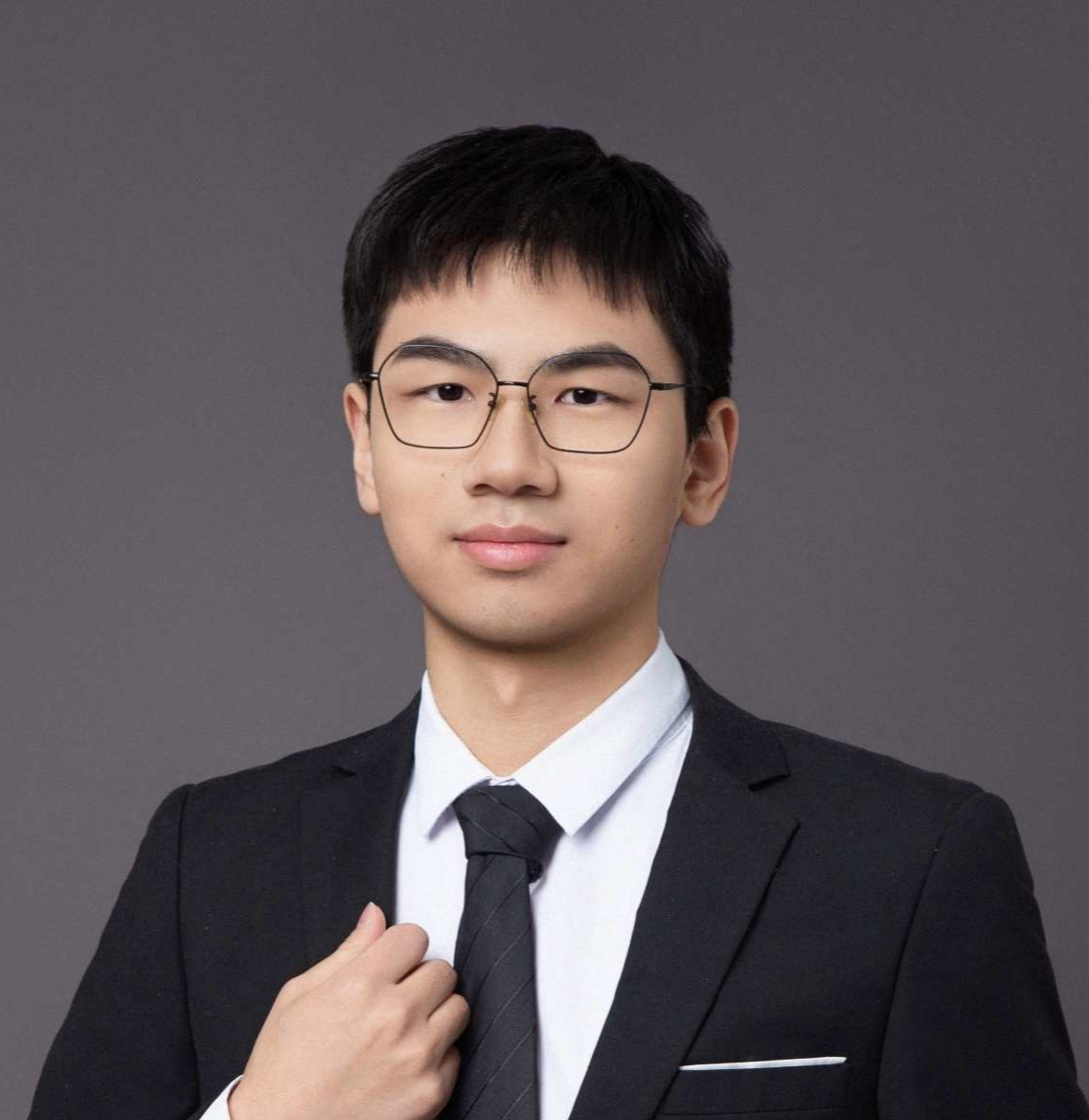
Zihan YAN
Westlake University
Key Contributions: (1) GPUMDkit; (2) Development of the GPUMD official website
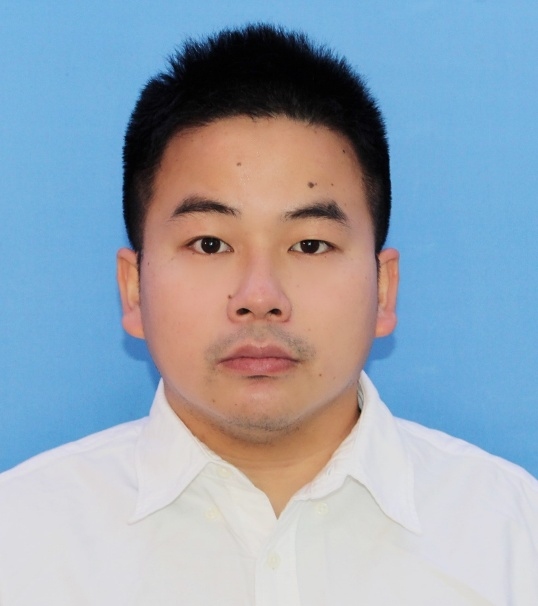
Penghua YING
Xi'an Jiaotong University
Key Contributions: (1) Participating in NEP-D3, PIMD, and ILP development.
Supervisors
合作导师Tapio Ala-Nissila
Aalto University and Loughborough University
Kun CAO
Sun Yat-Sen University
Yue CHEN
The University of Hong Kong
Feng DING
Suzhou National Laboratory
Paul Erhart
Chalmers University of Technology
Pengfei GUAN
Ningbo Institute of Materials Technology and Engineering, Chinese Academy of Sciences
Ari Harju
Varian Medical Systems Finland
Wangyu HU
Hunan University
Jianjun LIU
Shanghai Institute of Ceramics, Chinese Academy of Sciences
Shi LIU
Westlake University
Wengen OUYANG
Wuhan University
Ping QIAN
University of Science and Technology Beijing
Xuecheng SHAO
Jilin University
Jian SUN
Nanjing University
Zhimei SUN
Beihang University
Yi WANG
Northwestern Polytechnical University
Ning WEI
Jiangnan University
Shiyun XIONG
Guangdong University of Technology
Jianbin XU
The Chinese University of Hong Kong
Mingli YANG
Sichuan University
Jincheng ZHENG
Xiamen University
Yizhou ZHU
Westlake University
Join Us
We always welcome passionate developers and researchers to join the GPUMD ecosystem. Whether contributing code, improving documentation, or submitting bugs, your contribution is invaluable.
Contribute on GitHub